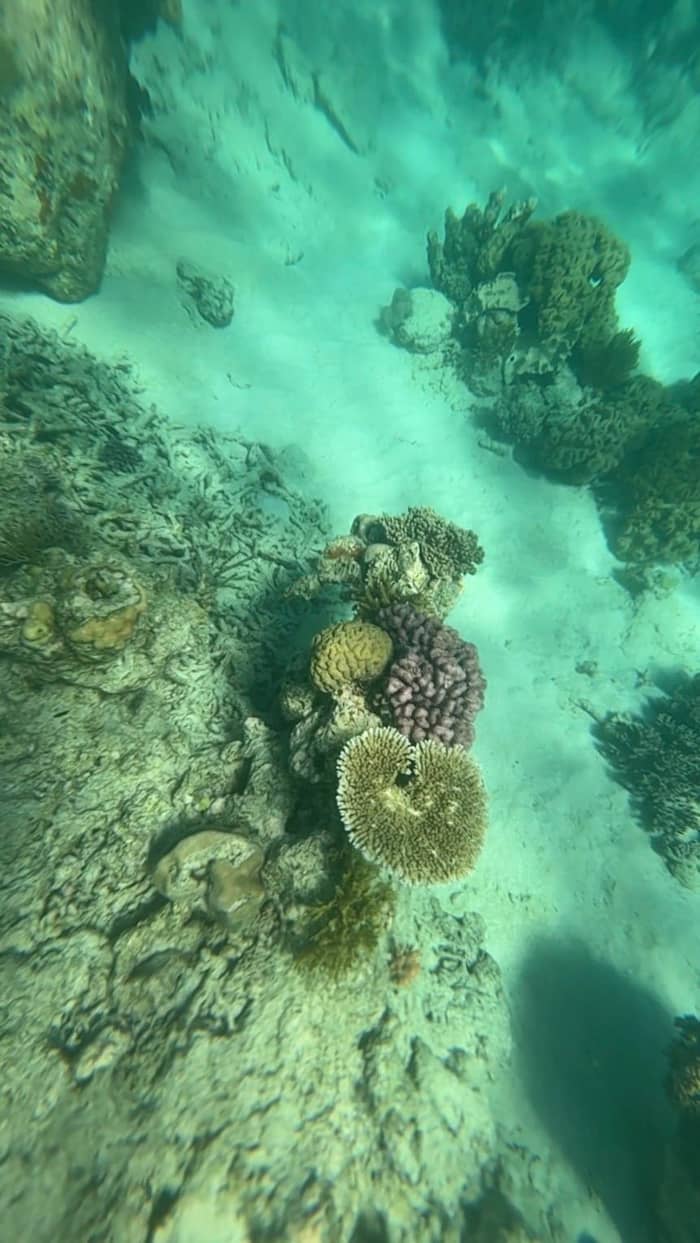
Rising
Northern reef
AIMS regional average
- Cover in 202635.1%
- ChangeUp from 30.0%
- Against averageAbove 27.0%
Guides
Language
Currency
Check datesfrom $193 · cancelling is freeMake-your-mind-up tool
Two taps, honest expectations
Say what you want to see and how long you can stay, and a listing appears with its from-price.
Your top pick
from $163
It runs 7 hours and has 303 reviews rated 4.84.
Your top pick
from $167
It is valid for 40 minutes and has 3,370 reviews rated 4.88.
Your top pick
from $193
It runs 9 hours to 2 outer reef locations picked on the day.
Your top pick
from $125
It lasts 4 hours and has 1,768 reviews.
The reef has been hit by repeated bleaching, and it is not dead. This page gives the official coral cover by region, explains bleaching and says what to expect on a boat day.
Editorial team, greatbarrierreeftour.quest · Updated November 7, 2026 · 6 mins to read
In brief
No. The most recent Annual Summary Report of Coral Reef Condition from the Australian Institute of Marine Science covers the 121 reefs it surveyed in 2025-26, and only three of them had hard coral cover of 10 per cent or less.1 In 2026, 16% of surveyed reefs declined in coral cover, 56% showed no net change and 28% increased.6 A dead reef would not produce numbers like these.
The reef has, however, been badly hurt, and both statements are true at once. AIMS calls the 2024 bleaching event the one with the largest spatial footprint ever recorded on the Great Barrier Reef, and in 2025 hard coral cover declined across all three regions.5,8 A fair reading is a reef in the middle of a bad decade that is still alive, still varied and still worth understanding.
The Reef Authority makes the same point from the other side. It says reports that focus only on how much of the reef has died are often too simple and can be misleading.9 The reef is thousands of reefs, each one different, so any single headline number hides most of what is going on. The rest of this page gives the numbers region by region.
AIMS splits the reef into Northern, Central and Southern regions. On the Northern reef, average hard coral cover rose from 30.0% in 2025 to 35.1% in 2026, and it remains above the long-term average of 27.0%.2,19 On the Central reef it rose from 28.6% to 31.6%, which AIMS says is within the margin of error, and which is above the long-term average of 20.0%.3,20
The Southern region is the exception. Average cover edged down to 26.4% in 2026 from 26.9% in 2025, and it remains below the long-term average of 29.3%.4,21 AIMS describes the change in the south as within the margin of error, so it is best read as stable and still short of its own historical level, not as a new collapse.
AIMS also says it is relatively rare for reefs on the Great Barrier Reef to have 75% to 100% hard coral cover, and it defines 30% to 50% as a high value.22 Measured against that scale, the Northern region at 35.1% and the Central region at 31.6% sit in the high band, which is a useful corrective to the idea that only a nearly perfect reef is a healthy one.2,3
Hard coral cover
Bleaching is the visible sign of a coral in trouble. The Reef Authority explains that when corals are under stress they expel the zooxanthellae living in their tissues, which makes them transparent and exposes their white skeleton.23 People ask why the Great Barrier Reef is bleaching, and the answer starts with stress: bleaching is a stress response, and the most well known cause is water that is too hot.
Heat is the driver in recent events. Average sea surface temperature on the reef has risen by more than 0.8 degrees Celsius since 1880, according to the Reef Authority.24 In the 2025-26 summer sea surface temperatures remained 0.7 to 1.2 degrees Celsius above average, although monsoon cloud cover and cooler water likely limited the severity of the bleaching.26,27 Even a small rise matters, since corals at the height of summer are already near their upper limit.
Bleached does not mean dead. The Reef Authority says corals can recover from bleaching if conditions return to normal.25 It also says fast-growing branching and plate corals often bleach first, while slower boulder corals usually take longer to bleach and survive more often.28 AIMS says fast-growing Acropora corals were among the most severely impacted in 2024, and those are the same corals that drove the rapid recovery between 2017 and 2024.29
Three regions
Rising
AIMS regional average
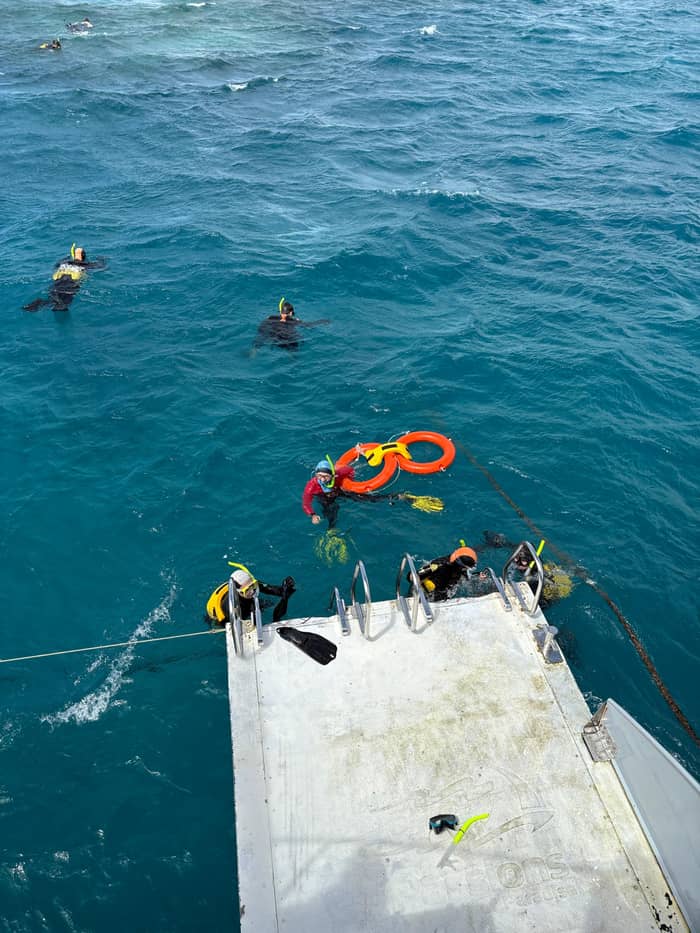
Rising
AIMS regional average
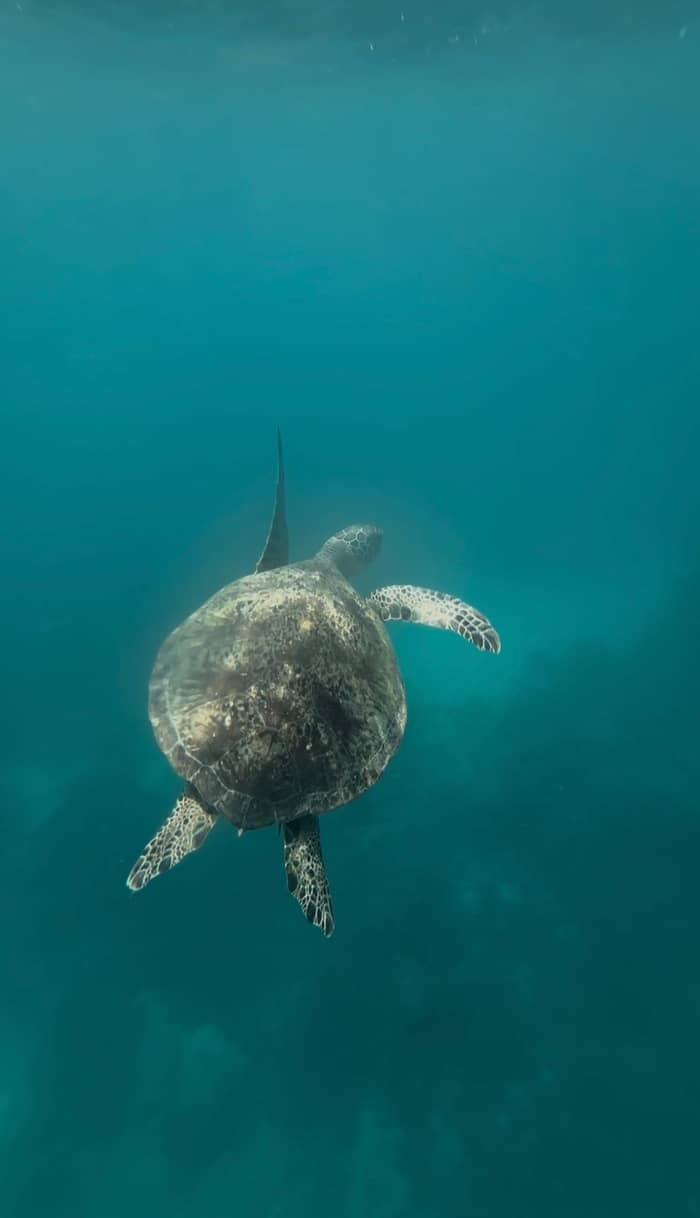
Steady
AIMS regional average
It helps to know what came before. The Reef Authority's timeline lists the first recorded major global mass bleaching event in 1998, when the reef was also affected but sea temperatures dropped in time for most corals to recover.10 Mass bleaching followed in 2002 with similar impacts to the 1998 event.11 The Great Barrier Reef before bleaching was not a pristine, unchanging place. It was a reef with a history of disturbance.
The recent run is closer together. The reef had 2 consecutive years of mass bleaching in 2016 and 2017, then widespread but variable bleaching in 2020 that reached southern areas, then in 2022 the first mass bleaching during La Niña conditions.12,13,14 The fifth mass bleaching event came in 2024 and affected all regions, and a less extensive event followed in 2025.15,16
AIMS has monitored the reef for more than 37 years, and its Long-Term Monitoring Program is the most comprehensive record of reef condition available.30 That record is why anyone can say, with numbers, that cover fell steeply in 2025 and then held or rose in most regions in 2026. The reef is being measured closely, and the measurements say it is under pressure, not gone.8,18
The record
1998
Sea temperatures dropped in time for most corals on the reef to recover.10
2002
Mass bleaching occurred with similar impacts to the 1998 event.11
2016 and 2017
The reef had 2 consecutive years of mass bleaching.12
2020
Widespread but variable bleaching included southern areas.13
2022
The first mass event caused by heat stress during La Niña conditions.14
2024
2025 and 2026
A less extensive event followed in 2025, and in summer 2025-26 the Reef Authority reports a regional bleaching event in the Northern region, yet cover stayed stable or rose across much of the reef.16,17,18
On a day trip the experience depends on the site and the day more than on the headline. AIMS says hard coral cover remained stable or increased across much of the reef in 2026 despite another summer of above-average sea temperatures.18 Across 121 surveyed reefs only three had cover of 10% or less, and the outcome varies by reef, so one boat can find a very different scene from another.1
Our listing is a 9-hour premium catamaran day to 2 outer reef locations, and the crew chooses the sites on the day between the Flynn and Milln reefs and the more northern Norman and Hastings reefs. The record also says that at times only 1 destination can be visited because of the weather, so ask the crew what it has seen at the site that day. A trip is a snapshot of one reef on one day.
The Reef Authority summarizes the position this way: the reef remains a vibrant, resilient marine ecosystem, and climate change remains the greatest threat to it.31 That is a more useful frame than 'dead' or 'fine'. You will see living coral, some of it damaged, on a reef that is being watched closely and is capable of recovery when stress is limited.
Video
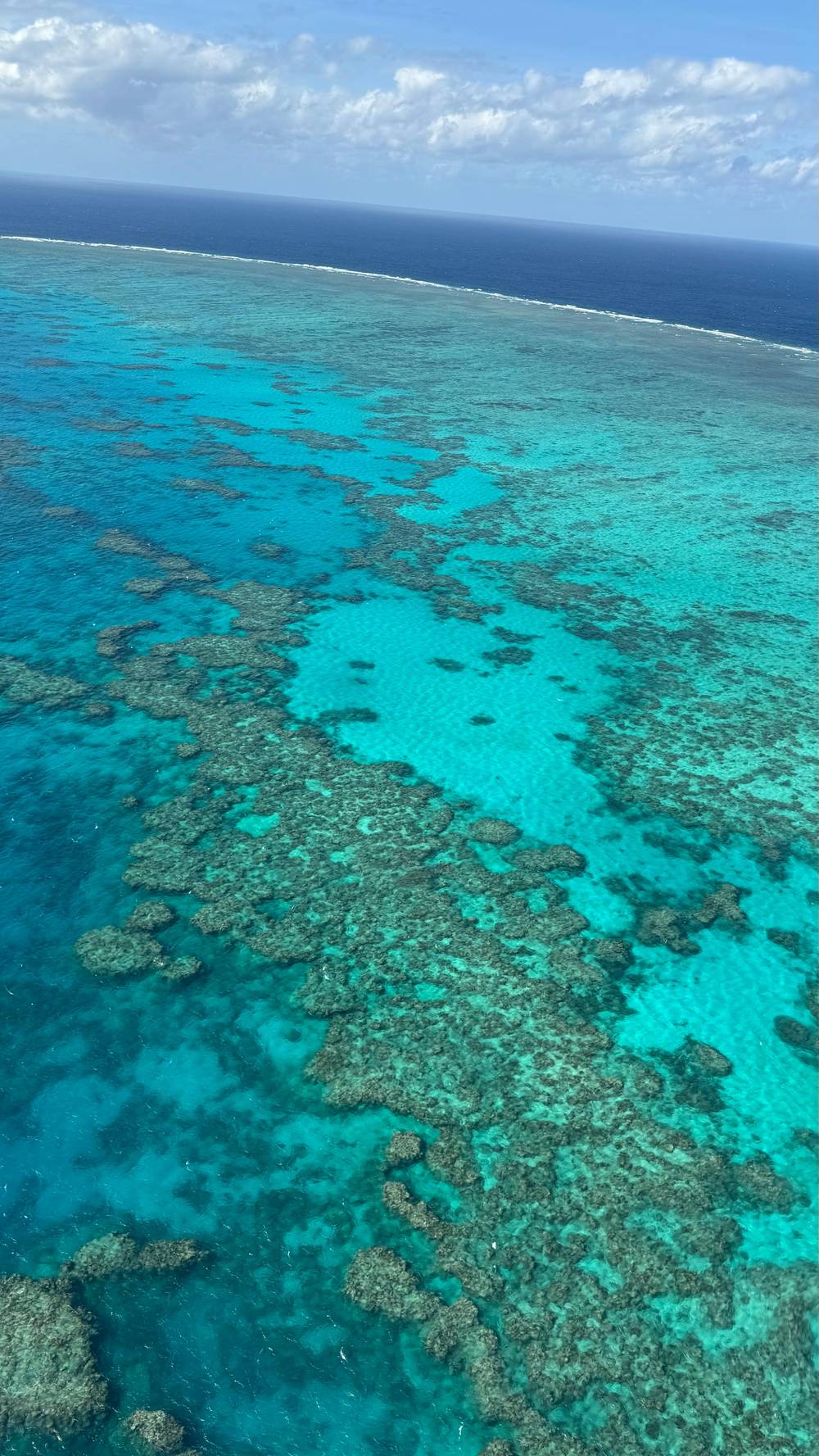
ABC News In-depth on YouTube · The video waits until you tap play to load.
Despite another summer of above-average sea temperatures, hard coral cover remained stable or increased across much of the Great Barrier Reef
Before you book
For a traveler who asks whether the reef is worth seeing, the answer from the data is yes, with realistic expectations. Coral cover on the Northern and Central regions in 2026 is in the band AIMS calls high, and the reef holds over 1500 species of fish and six of the seven marine turtle species.2,3,22,32,33 If you expect a perfect postcard on every dive you will be disappointed, and if you expect a living reef you will not be.
Visiting also supports the people watching the reef. The charge paid by visitors for a full day trip is AU$8.50 per day, rising to AU$9.00 from 1 April 2027, and the Reef Authority says all of it is applied directly to management of the Marine Park.34,35,36 Tourism is the largest contributor to the reef's economic value at $7.9 billion a year, and it is the industry with the most reason to want the reef in good condition.37
To plan around the risk, book with free cancellation and check the reef health updates before you travel. The listing on this site starts from $193 and allows free cancellation up to 24 hours before for a full refund. The Reef Authority issues regular reef health reports from May to November each year, so the current picture is always on its site rather than in this guide.38
FAQ
AIMS found only three of 121 surveyed reefs with hard coral cover of 10% or less in 2025-26.1
The Reef Authority says corals can recover, though bleached corals are also prone to disease and stress.25
AIMS has monitored the reef for more than 37 years through its Long-Term Monitoring Program.30
Fast-growing branching and plate corals often bleach first, while slower boulder corals survive more often.28
Sources
Next read
Questions about the reef from Cairns? A real person answers here.